
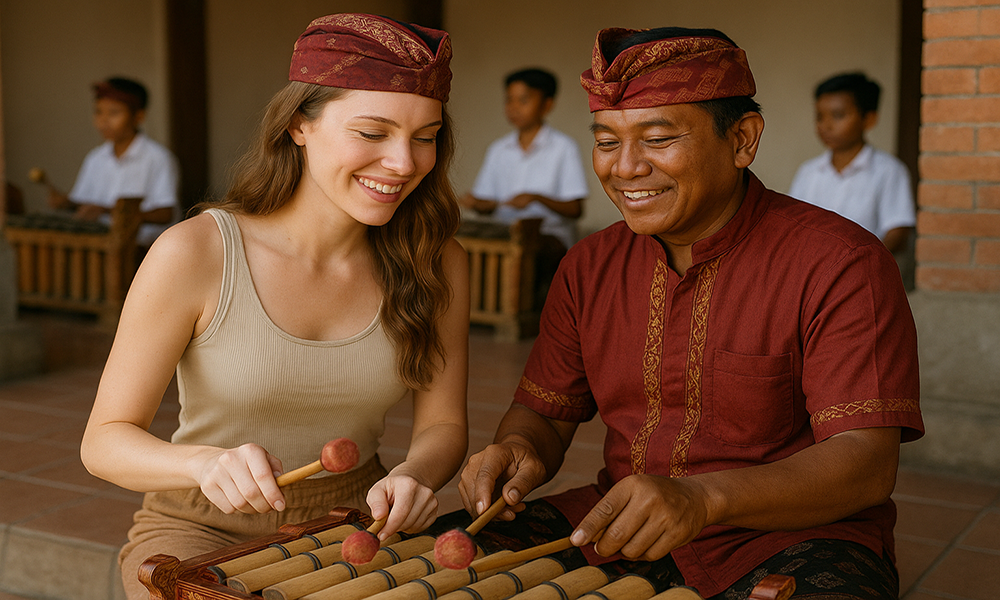
Learn Traditional Music: A Journey Into the Soul of Culture
Music is more than entertainment. It’s a reflection of identity, a vessel of memory, and a timeless form of expression that connects generations. If you’re looking to learn traditional music, you’re not just picking up a new skill—you’re diving into a world of stories, rituals, and soul. This journey invites you to explore ancestral rhythms, unique instruments, and cultural heritage from every corner of the globe.
Why Learn Traditional Music?
Learning traditional music is more than a hobby—it’s a path toward understanding cultural diversity and history. Every region has melodies that tell the story of its people. By immersing yourself in traditional music, you:
Connect with heritage: Whether it’s your own background or another culture’s, traditional music gives insight into life, spirituality, and community values.
Expand your musicality: Traditional instruments and scales challenge modern musicians with new techniques, rhythms, and tonalities.
Promote cultural appreciation: Learning traditional music fosters respect for diverse traditions and helps keep them alive for future generations.
The Power of Oral Tradition in Music
Traditional music is often passed down orally, meaning it’s learned by listening and mimicking, rather than reading notes. This method emphasizes memory, intuition, and personal connection. In many cultures, music is deeply tied to ceremonies, farming cycles, or healing rituals—making it a living, breathing part of everyday life.
From the chanting monks of Tibet to the didgeridoo players of Australia, oral tradition ensures that each performance is slightly different, always evolving but never losing its roots.
Famous Traditional Music Styles Around the World
1. Gamelan (Indonesia)
Gamelan is a mesmerizing ensemble of gongs, metallophones, and drums. Learn Balinese music like gamelan involves group coordination, listening skills, and understanding the subtle language of Balinese or Javanese rhythm.
2. Flamenco (Spain)
More than just dance, Flamenco includes passionate guitar playing, powerful singing (cante), and intricate clapping (palmas). It tells stories of struggle, love, and celebration.
3. Indian Classical (India)
Instruments like sitar, tabla, and bansuri come together with ragas (melodic frameworks) and talas (rhythmic cycles) to create spiritual soundscapes that reflect centuries of philosophical depth.
4. African Drumming (West Africa)
Djembe and talking drums form the heartbeat of many African cultures. These rhythms are complex yet accessible, often used to communicate messages, celebrate harvests, or mark rites of passage.
5. Celtic Folk Music (Ireland/Scotland)
Fiddles, tin whistles, and bodhráns create cheerful and soulful melodies that echo through time. Many learners are drawn to the communal feel of Irish sessions and ceilidhs.
How to Start Learning Traditional Music
1. Choose a Tradition That Inspires You
Start by listening to a wide variety of traditional music. What moves you? The hypnotic beat of taiko drums? The meditative chant of Gregorian monks? Follow your curiosity.
2. Find a Local Teacher or Community
Many cities have cultural centers, music schools, or community groups that offer classes in traditional music. If not, online platforms like YouTube, Udemy, or even Zoom lessons from native players are great alternatives.
3. Learn an Instrument by Ear
Unlike classical training, traditional music often emphasizes learning by listening. Take time to mimic phrases, absorb rhythms, and feel the soul of the sound before worrying about theory.
4. Attend Live Performances and Festivals
Experiencing traditional music in its cultural context—be it a Balinese temple ceremony or a Scottish Highland festival—adds depth and inspiration to your practice.
5. Be Respectful and Open-Minded
When you learn traditional music from cultures different from your own, approach it with humility. Understand the history, symbolism, and spiritual dimensions behind the music.
Traditional Instruments You Can Learn
Djembe (West Africa) – A hand drum great for beginners who want to learn polyrhythmic patterns.
Shakuhachi (Japan) – A bamboo flute used in meditation, with a deeply spiritual tone.
Rindik (Bali) – A bamboo xylophone played in pairs, often during romantic or ceremonial events.
Erhu (China) – A two-stringed bowed instrument that produces emotional, vocal-like melodies.
Oud (Middle East) – The ancient ancestor of the guitar, perfect for modal music exploration.
Each instrument carries centuries of history and offers a different route to mastering the art of traditional music.
Benefits of Learning Traditional Music
1. Mental and Emotional Growth
Traditional music often emphasizes improvisation and mindfulness. It teaches patience, deep listening, and the joy of being in the moment.
2. Cultural Exchange and Understanding
As you learn Bali traditional music, you gain insight into other cultures’ values and ways of life, bridging gaps and fostering empathy.
3. Community and Belonging
From African drum circles to Balinese gamelan groups, traditional music often involves communal performance. This fosters a strong sense of connection and teamwork.
4. Preservation of Cultural Heritage
By learning and sharing traditional music, you’re actively helping to preserve it. In a world where globalization threatens local traditions, your interest can make a difference.
Integrating Traditional Music into Modern Life
Even if you’re not a full-time musician, you can integrate traditional music into your daily routine:
Play traditional music during meditation or yoga.
Use folk rhythms in your songwriting or digital compositions.
Share your learning journey on social media to inspire others.
Teach your children or community about the beauty of cultural music.
Final Thoughts
To learn traditional music is to open a window into humanity’s shared soul. It’s an act of remembrance, respect, and revitalization. Whether you’re drawn to the earthy beat of tribal drums or the delicate plucks of an Asian zither, there’s something waiting for you in the melodies of the past.
So pick up an instrument, join a group, or simply listen—and let tradition guide your fingers and heart. The journey starts with a single note
